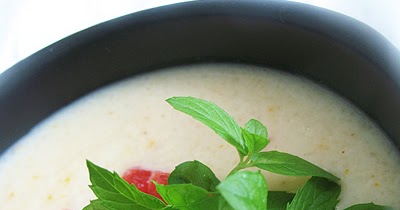
Often overlooked in the vast landscape of culinary creations, pear soup stands as a delightful surprise, offering a unique blend of sweetness, subtle tartness, and incredible versatility. Far from being confined to a single flavor profile, pear soup can be a comforting savory starter, a refreshing chilled dessert, or even a healthful remedy. Its ability to adapt to a myriad of ingredients and cooking styles makes it a fascinating dish for home cooks and gourmands alike. If you've never considered pears beyond a snack or a pie filling, prepare to have your perceptions deliciously expanded.
The Unexpected Delight: Why Pear Soup Deserves a Spot in Your Culinary Repertoire
In a world saturated with common soups like tomato, chicken noodle, and minestrone, pear soup emerges as an unexpected hero. Its charm lies in its inherent duality: pears themselves possess a delicate sweetness that can be accentuated for a dessert soup or balanced with savory elements to create a complex main course. This adaptability is what makes a bowl of pear soup so compelling.
Historically, pears have been valued for both their flavor and their medicinal properties. In traditional Asian cultures, for instance, pear soup (often made with Asian pears and ginger) is a common remedy for soothing sore throats and coughs, valued for its hydrating and anti-inflammatory qualities. In European cuisine, pears have frequently appeared in sweet preparations, but their savory applications are equally ancient and delicious, often paired with cheeses, meats, and robust herbs. Modern culinary trends are rediscovering this versatility, bringing pear soup to the forefront as a sophisticated yet approachable dish.
Beyond its historical roots, the appeal of pear soup lies in its ability to offer something truly different. It provides a natural sweetness without being cloying, a silky texture that can be incredibly comforting, and a foundation that invites endless experimentation. Whether you crave something warm and spiced on a cold evening or a light, chilled refreshment on a hot day, there's a pear soup recipe waiting to surprise and satisfy you.
Crafting the Perfect Bowl: Varieties and Preparation Techniques for Pear Soup
The beauty of pear soup lies in its incredible flexibility, allowing for creations that range from lusciously sweet to subtly savory. The key to crafting your ideal bowl often begins with selecting the right pear variety and understanding the fundamental preparation techniques.
Sweet Pear Soups: A Symphony of Comfort and Spice
When thinking of a sweet pear soup, imagine a comforting, often warm, elixir perfect for dessert or a light breakfast. These soups typically highlight the pear's natural sugars, often enhanced by complementary spices.
- Best Pear Varieties: Softer, sweeter pears like Bartlett, Anjou, or Comice are excellent choices. Their smooth texture and pronounced sweetness blend beautifully.
- Flavor Profiles: Often infused with cinnamon, star anise, cardamom, fresh ginger, vanilla, or even a touch of honey or maple syrup. A splash of fruit juice (apple or orange) or white wine can add depth.
- Preparation: Pears are typically peeled, cored, and simmered gently in water, fruit juice, or a light syrup until tender. They are then often pureed until silky smooth, though some recipes might leave small chunks for texture. Chilling before serving can enhance the refreshing quality.
Savory Pear Soups: An Unexpected Culinary Adventure
Savory pear soup might sound unconventional, but the subtle sweetness of pears wonderfully complements a range of savory ingredients, adding a layer of complexity and natural body to the soup.
- Best Pear Varieties: Firmer, less sweet pears such as Bosc or Asian pears work well, as they hold their shape better if not fully pureed and offer a more subdued sweetness.
- Flavor Profiles: Pears can be paired with ingredients like roasted butternut squash, parsnips, celery root, or even leeks. Herbs like thyme, sage, and rosemary are fantastic companions. A base of vegetable or chicken broth is common, and a touch of cream or coconut milk can add richness. Some recipes incorporate blue cheese or caramelized onions for an extra layer of umami.
- Preparation: Pears are often sautéed with aromatics (onions, garlic) before adding broth and other vegetables. Simmer until all ingredients are tender, then puree partially or fully, depending on desired consistency. A pinch of nutmeg or white pepper can elevate the flavors.
Regardless of the path you choose – sweet or savory – the fundamental steps often involve cooking the pears until soft, then blending or mashing them to your desired consistency. Experimentation is key to discovering your favorite pear soup style.
Health Benefits in Every Spoonful: Nutritional Value of Pear Soup
Beyond its delightful taste, pear soup offers a surprising array of health benefits, making it not just a culinary treat but also a nourishing choice. Pears themselves are powerhouses of nutrition, and when combined with other wholesome ingredients in a soup, their benefits are amplified.
- Rich in Fiber: Pears are an excellent source of dietary fiber, particularly soluble fiber, which is crucial for digestive health. A fiber-rich soup can aid in regularity, promote a feeling of fullness, and help regulate blood sugar levels.
- Packed with Antioxidants: Pears contain various antioxidants, including vitamin C and K, and phytonutrients like flavonoids, which help combat oxidative stress and inflammation in the body. The skin of the pear is particularly rich in these compounds, so consider leaving it on for a rustic soup (especially if organic and well-washed).
- Hydration: Like most soups, pear soup is predominantly liquid, contributing significantly to your daily hydration needs. This is especially beneficial if it's a light, broth-based soup.
- Vitamins and Minerals: Pears provide essential vitamins and minerals such as Vitamin C (immune support), Vitamin K (bone health, blood clotting), and potassium (heart health, fluid balance). When blended with other vegetables, the soup becomes a more comprehensive nutrient delivery system.
- Soothing Properties: As mentioned, in traditional medicine, particularly in Asian cultures, warm pear soup (often with ginger) is revered for its ability to soothe sore throats, calm coughs, and provide relief during colds and flu due to its hydrating and anti-inflammatory effects.
- Low in Calories (when made mindfully): A simple pear soup, especially savory versions with vegetable broth and minimal added fats or sugars, can be a low-calorie yet satisfying meal, ideal for those watching their calorie intake.
By incorporating pear soup into your diet, you're not just indulging in a unique flavor; you're also embracing a dish that supports overall well-being. It’s a delicious way to boost your intake of fiber, vitamins, and antioxidants.
Beyond the Basic Bowl: Creative Pairings and Serving Suggestions for Pear Soup
Once you've mastered the art of making a basic pear soup, the next step is to explore the myriad ways to serve and pair it, elevating your dish from a simple bowl to a memorable culinary experience. The versatility of pear soup means it can shine in various contexts and temperatures.
Garnishes to Elevate Your Soup
- For Sweet Pear Soups:
- Toasted nuts (slivered almonds, chopped pistachios, walnuts) for crunch.
- A dollop of crème fraîche, yogurt, or mascarpone for creaminess.
- Fresh mint leaves or a sprinkle of cinnamon/nutmeg for aroma.
- A drizzle of honey, maple syrup, or a balsamic glaze for extra richness.
- Small pieces of candied ginger or dried cranberries.
- For Savory Pear Soups:
- Crispy bacon bits, prosciutto crisps, or toasted croutons for texture.
- Crumbled blue cheese, goat cheese, or a sprinkle of grated Parmesan.
- Fresh herbs like thyme, sage, chives, or parsley.
- A swirl of extra virgin olive oil or a spoonful of pesto.
- Roasted pear slices or caramelized onions.
Perfect Pairings and Serving Occasions
The beauty of pear soup lies in its ability to adapt to different courses and dining experiences:
- As an Appetizer: A small serving of either a chilled sweet soup or a warm savory one can be an elegant start to a meal. A savory pear and parsnip soup, for example, pairs beautifully with a main course of roasted pork loin or chicken.
- As a Light Lunch: A more substantial bowl of savory pear soup, perhaps with some crusty bread or a side salad, makes for a satisfying and healthy lunch. Consider a pear and sweet potato soup for a hearty option.
- As a Dessert: Chilled sweet pear soup, especially when infused with vanilla or ginger, can be a refreshing and light alternative to traditional heavy desserts. Serve it in elegant glasses with a mint sprig for a sophisticated finish.
- With Cheese: Savory pear soup, particularly those with a hint of acidity, complements a cheese board perfectly. The sweetness of the pear cuts through the richness of cheeses like Gorgonzola or brie.
- Seasonal Serving: Warm, spiced pear soup is ideal for autumn and winter, while light, chilled versions are perfect for spring and summer refreshment.
Don't be afraid to experiment with your garnishes and pairings. A little creativity can transform a simple bowl of pear soup into an unforgettable dish that caters to any palate or occasion.
Tips for Success and Troubleshooting Your Pear Soup
Making pear soup, while generally straightforward, benefits from a few expert tips to ensure optimal flavor and texture. Here’s how to navigate common challenges and refine your recipe.
Choosing the Right Pears
The success of your pear soup begins with the pears themselves.
- Ripeness: For *sweet* soups, slightly riper pears (yielding gently to pressure) will offer maximum natural sweetness and a smoother texture when pureed. For *savory* soups, firm-ripe pears are often preferred as they maintain a subtle sweetness and can hold their structure better if you desire some chunks. Overripe pears can make the soup mushy or too sweet, while underripe ones will lack flavor and sweetness.
- Variety Matters: As discussed, Bartletts and Comice are excellent for sweet soups, while Bosc and Asian pears shine in savory preparations.
Preparation Pointers
- To Peel or Not to Peel: For a silky-smooth soup, especially a dessert one, peeling is recommended. However, for a rustic or savory soup, leaving the skin on (especially with thin-skinned pears like Anjou or Bartlett) can add fiber and a deeper color. Ensure pears are thoroughly washed if keeping the skin.
- Preventing Browning: Pears oxidize quickly once cut. To prevent discoloration, toss cut pear pieces with a squeeze of lemon juice or a splash of white vinegar immediately. This is particularly important if you're not cooking them right away.
- Core Carefully: The core of a pear can be fibrous. Always ensure thorough coring to avoid an unpleasant texture in your pureed soup.
Achieving the Perfect Texture and Flavor
- For a Silky Smooth Soup: An immersion blender is your best friend for blending directly in the pot. For an even finer texture, pass the pureed soup through a fine-mesh sieve, especially if you didn't peel the pears. This step is optional but creates a professional-grade consistency.
- Adjusting Sweetness/Acidity: If your sweet soup isn't sweet enough, add a touch of honey, maple syrup, or sugar. If it's too sweet, a squeeze of lemon juice or a tiny splash of apple cider vinegar can balance the flavors. For savory soups, adjust with salt, pepper, or a pinch of sugar to round out the flavor profile.
- Thickening: Pears naturally add body when pureed. If your soup is too thin, you can reduce it by simmering uncovered, or add a very small amount of cornstarch or arrowroot slurry (mixed with cold liquid first). Alternatively, blending in a cooked potato or some cashews can also add thickness and creaminess.
Storage and Re-heating
Most pear soups store well in an airtight container in the refrigerator for 3-4 days. Sweet pear soups can often be frozen for up to 3 months. Savory soups with cream or dairy might separate upon freezing, so it's best to add dairy after thawing and reheating. Reheat gently on the stovetop, stirring frequently, and add a splash of broth or water if it's too thick.
By keeping these tips in mind, you'll be well on your way to crafting a truly exceptional pear soup every time.
In conclusion, pear soup is a testament to the incredible versatility and untapped potential of familiar ingredients. From its comforting, spiced dessert versions to its surprisingly sophisticated savory renditions, it offers a culinary journey unlike any other. Whether you're seeking a healthful remedy, a unique appetizer, or a comforting main course, the humble pear, transformed into a velvety soup, delivers on all fronts. Don't let this delightful dish remain a secret any longer. Embrace the unexpected, experiment with flavors, and discover the truly remarkable world of pear soup – a bowl of pure, unadulterated pleasure waiting to be savored.
