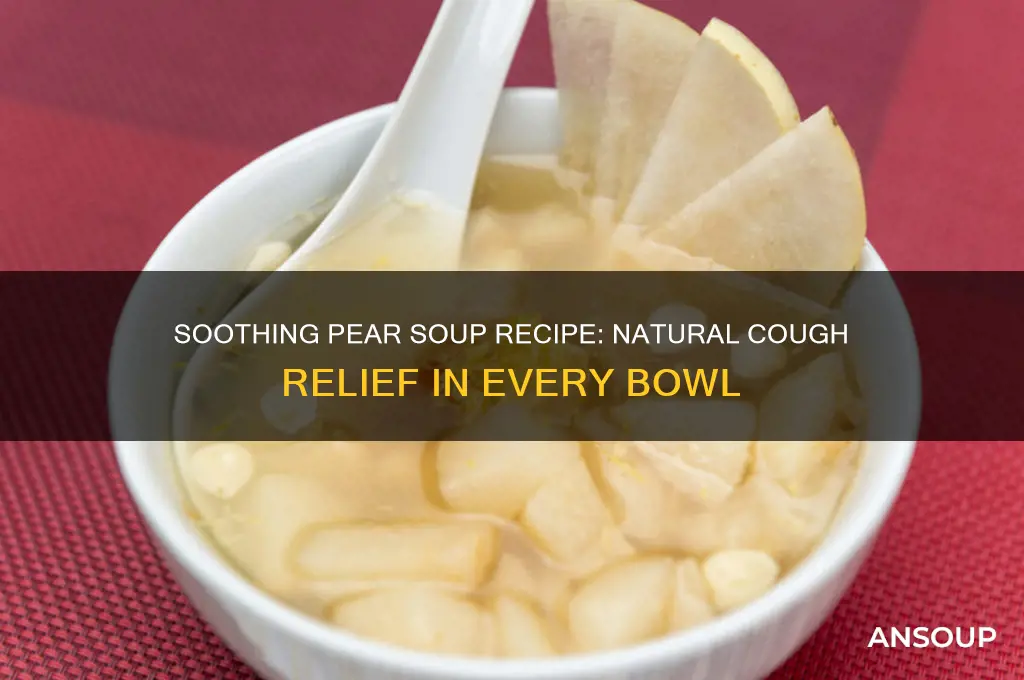
The Art of Pear Soup: Elevating a Culinary Gem
In the culinary landscape, some dishes are unsung heroes, offering immense versatility and delightful flavors often overlooked. Pear soup is one such gem, a dish that transcends simple fruit preparations to become a sophisticated appetizer, a comforting main, or even a refreshing chilled course. While we've previously explored the foundational aspects and basic recipes for pear soup - Article 1, and delved into its diverse variations in pear soup - Article 2, this article aims to take you on a deeper dive, uncovering advanced techniques, seasonal adaptations, dietary considerations, and troubleshooting tips to truly elevate your pear soup experience.
Moving beyond the basic puree, we'll explore how to refine textures, introduce unexpected flavor pairings, and transform this humble fruit into an extraordinary culinary statement. Prepare to unlock the full potential of pear soup, making it a regular, cherished addition to your recipe repertoire.
Elevating Your Pear Soup Experience: Beyond the Basics
Creating a truly memorable pear soup goes beyond simply blending cooked pears with broth. It involves a thoughtful approach to texture, an adventurous spirit with flavor pairings, and an eye for presentation. Here, we delve into techniques that will set your pear soup apart.
Mastering Textures and Consistency
The mouthfeel of soup is paramount. A velvety smooth soup can feel luxurious, while a slightly chunky one can offer rustic charm. Achieving the perfect consistency for your pear soup requires attention to detail.
- Smooth Perfection: For a silky texture, always peel your pears. After cooking, blend the soup in batches using a high-speed blender for maximum smoothness. Pass it through a fine-mesh sieve (chinois) for an ultra-refined finish. Incorporating a small amount of starchy potato or a swirl of cream (dairy or plant-based) can enhance richness and stability.
- Rustic Charm: If you prefer a soup with a bit more bite, leave some of the pear skin on (especially with thin-skinned varieties) or reserve a portion of the cooked pears to dice and stir in after blending the rest. This adds delightful pockets of texture.
- Emulsification for Richness: A trick often used in professional kitchens is to gradually drizzle in a high-quality olive oil or melted butter while blending. This emulsifies into the soup, adding a luscious richness and glossy sheen without making it heavy.
- Adjusting Consistency: If your soup is too thick, gradually add more broth or water until it reaches your desired consistency. If it's too thin, simmer it gently to reduce, or whisk in a slurry of cornstarch or arrowroot powder (mixed with cold liquid) and cook for a few minutes until thickened.
Innovative Flavor Pairings and Garnish Ideas
While pears have a delicate sweetness, they are also incredibly versatile, capable of pairing beautifully with a wide array of sweet, savory, and spicy elements. Don't be afraid to experiment to find your signature pear soup profile.
- Herbs that Harmonize:
- Thyme & Rosemary: These woody herbs offer an earthy, aromatic counterpoint, especially when pears are roasted.
- Sage: A classic autumnal pairing, sage brings a warm, slightly peppery note that complements the sweetness of pears.
- Mint: For lighter, chilled pear soups, a hint of fresh mint can be incredibly refreshing.
- Spices for Depth and Warmth:
- Ginger & Cardamom: Add a vibrant, exotic warmth. Fresh ginger can provide a gentle zing.
- Cinnamon & Nutmeg: Classic baking spices that naturally enhance the sweetness of pears, perfect for a comforting soup.
- White Pepper & Cayenne: A subtle pinch can provide a gentle heat that balances sweetness without overpowering.
- Savory Elements for Contrast:
- Blue Cheese or Goat Cheese: Crumbled on top, their sharp, tangy notes provide an exciting contrast to the pear's sweetness.
- Crispy Prosciutto or Bacon: Adds a salty, umami crunch that is irresistible.
- Toasted Nuts: Pecans, walnuts, or almonds offer textural contrast and nutty flavor.
- Balsamic Glaze: A drizzle of aged balsamic vinegar or a reduced glaze adds a delightful sweet-sour complexity.
- Garnishes for Visual Appeal and Flavor Burst: Beyond herbs and nuts, consider microgreens, a swirl of crème fraîche or coconut cream, a sprinkle of chili flakes, or homemade croutons for an extra layer of texture.
Seasonal Pear Soup Creations: Adapting to Nature's Bounty
One of the beauties of pear soup is its adaptability to different seasons. While often associated with autumn, pears are available year-round, and their flavor profiles can be highlighted in various ways depending on the time of year.
Autumnal Comforts: Spiced Pear and Root Vegetable Soups
As the leaves change and temperatures drop, rich, warming soups become incredibly inviting. This is the prime season for pear soup, especially when paired with other autumnal produce.
- Root Vegetable Harmony: Combine pears with roasted butternut squash, sweet potato, parsnip, or carrots. Roasting these vegetables first caramelizes their natural sugars, adding incredible depth and a slightly smoky sweetness to the soup.
- Warming Spices: Lean into traditional fall spices like cinnamon, nutmeg, cloves, allspice, and a touch of star anise. These complement the sweet earthiness of the pears and root vegetables perfectly.
- Rich Broths: Use a robust vegetable or chicken broth as a base. A splash of apple cider, brandy, or even a dry white wine can add sophisticated layers of flavor.
- Hearty Additions: Consider swirling in a spoonful of crème fraîche or plain Greek yogurt for extra creaminess, or garnishing with toasted pepitas and a sprinkle of smoked paprika.
Lighter Spring and Summer Variations: Chilled Pear Soups
Don't relegate pear soup solely to colder months. A chilled pear soup can be a surprisingly refreshing and elegant starter for spring and summer gatherings, perfect for using up crisp, less sweet pear varieties.
- Fresh & Zesty: Focus on brighter flavors. Blend ripe but firm pears with cucumber, fresh mint, lime juice, and a hint of ginger.
- Creamy & Tangy: Incorporate plain yogurt, buttermilk, or coconut water for a light, tangy creaminess.
- Herbal Infusion: Experiment with subtle herbal notes like tarragon or basil, which can add an unexpected savory dimension.
- Garnish for Freshness: Serve chilled, garnished with finely diced cucumber, fresh mint leaves, a drizzle of extra virgin olive oil, or a few edible flowers for a touch of elegance.
Dietary Adaptations and Health Benefits Deep Dive
Beyond its delicious taste, pear soup offers a fantastic canvas for healthy eating, easily adaptable to various dietary needs. We’ve touched upon some general benefits in pear soup - Article 1, but let’s delve deeper into how this delightful dish can be a nutritional powerhouse.
Vegan, Gluten-Free, and Low-Carb Swaps
Making your pear soup inclusive for everyone is easier than you think:
- Vegan-Friendly:
- Cream Alternatives: Swap dairy cream for full-fat coconut milk (for a richer, slightly tropical note), cashew cream, or unsweetened almond milk.
- Broth: Always use a high-quality vegetable broth.
- Garnishes: Avoid meat products like bacon; instead, use toasted nuts, seeds, or crispy fried sage leaves.
- Gluten-Free:
- Pears are naturally gluten-free. Ensure your broth or bouillon cubes are certified gluten-free.
- Thickeners: If needed, thicken with a cornstarch or arrowroot slurry, or simply by pureeing starchy vegetables like potatoes or cauliflower with the pears.
- Low-Carb Considerations:
- Sweetness Control: Opt for less sweet pear varieties and reduce or omit any added sugars. Rely on the natural sweetness of the pears.
- Vegetable Pairings: Pair pears with lower-carb vegetables like celery, leeks, or cauliflower.
- Cream: Use unsweetened almond or cashew milk, or a small amount of heavy cream if dairy is acceptable.
Nutritional Powerhouse: The Hidden Benefits of Pear Soup
Pears are more than just a sweet treat; they're packed with essential nutrients, and when made into a soup, these benefits are easily absorbed.
- Digestive Health Champion: Pears are an excellent source of dietary fiber, particularly soluble fiber, which aids digestion, promotes regularity, and can contribute to a healthy gut microbiome. A bowl of pear soup is a gentle way to boost your daily fiber intake.
- Antioxidant Boost: Pears contain various antioxidants, including vitamin C, vitamin K, and phytonutrients like flavonoids. These compounds help combat oxidative stress, protecting your cells from damage and supporting overall health.
- Heart Health Helper: The fiber and potassium in pears are beneficial for cardiovascular health. Fiber helps lower cholesterol, while potassium helps regulate blood pressure, contributing to a healthier heart.
- Anti-Inflammatory Properties: Certain phytonutrients found in pears have anti-inflammatory effects, which can help reduce inflammation throughout the body.
- Hydration: Pears have a high water content, contributing to hydration, especially when consumed in a liquid form like soup.
Common Pear Soup Challenges and Troubleshooting
Even seasoned cooks can encounter little hiccups. Knowing how to troubleshoot common issues ensures your pear soup turns out perfectly every time. For broader cooking advice, you might also find insights in pear soup - Article 2.
Preventing Discoloration and Ensuring Freshness
Pears, like apples, are prone to oxidation once cut, which can lead to browning. While less noticeable in a cooked soup, it can affect the vibrancy of the final dish.
- Lemon or Lime Juice: Adding a squeeze of lemon or lime juice to your soup during cooking or blending is a simple yet effective way to prevent browning and brighten the flavor.
- Cook Promptly: Process cut pears quickly or keep them submerged in acidulated water (water with a splash of lemon juice) if you can't cook them immediately.
- Rapid Cooling for Storage: If you plan to chill your soup, cool it rapidly over an ice bath after cooking. Store it in an airtight container in the refrigerator for 3-4 days. Freezing pear soup is also an excellent option for longer storage; it maintains its quality for up to 3 months.
Adjusting Sweetness and Spice Levels
Finding the perfect balance of sweet, savory, and spicy is key to an outstanding pear soup.
- If Your Soup is Too Sweet:
- Acidity: A dash of lemon juice, lime juice, or a splash of apple cider vinegar can cut through excessive sweetness.
- Salt: A pinch of salt is a powerful flavor balancer. It enhances other flavors and can mute sweetness.
- Savory Herbs: Incorporate more savory herbs like thyme or sage.
- Broth: Add more unsweetened broth to dilute the sweetness.
- If Your Soup is Not Sweet Enough:
- Sweetener: Add a small amount of maple syrup, honey, agave nectar, or a natural sugar substitute to taste.
- Sweeter Pears: For future batches, opt for naturally sweeter pear varieties like Bartlett or Comice.
- Roasting: Roasting the pears before adding them to the soup intensifies their natural sweetness through caramelization.
- If Your Soup is Bland:
- Salt: Often, blandness is simply a lack of salt. Add small increments, tasting as you go.
- Aromatics: Boost the flavor with more sautéed onions, leeks, garlic, or a stronger dose of spices like ginger or cinnamon.
- Umami: A dash of mushroom powder or a good quality vegetable bouillon cube can add depth.
Conclusion
From a rustic autumn delight to a refreshing summer starter, pear soup is a testament to the versatility and understated elegance of this beloved fruit. By mastering its textures, embracing innovative flavor pairings, adapting to seasonal availability, and understanding its nutritional prowess, you can transform a simple recipe into a culinary masterpiece. Don't shy away from experimentation; let your kitchen be a playground for creativity. Whether you prefer it silky smooth or charmingly chunky, sweet or savory, hot or cold, the world of pear soup offers endless possibilities for delicious exploration. We encourage you to try these tips and create your own signature pear soup, delighting your palate and impressing your guests with this often-underestimated, yet incredibly rewarding dish.
